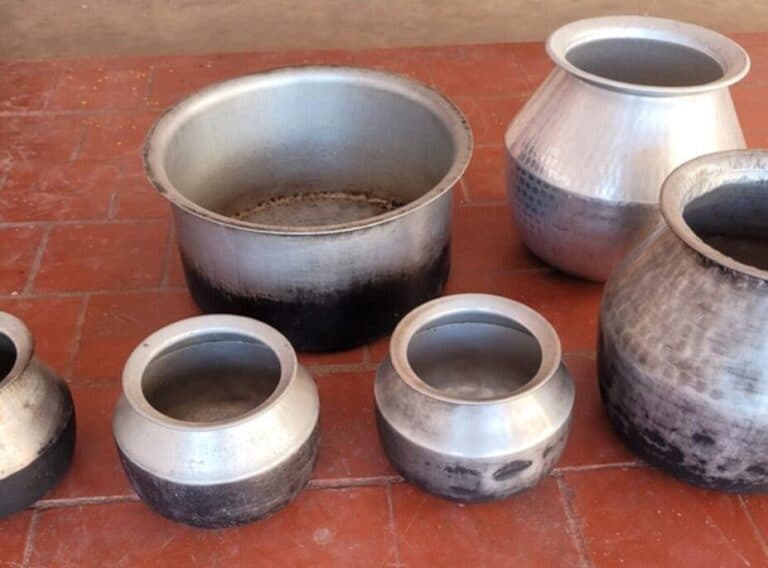
Cooking pots are widely regarded as safe, everyday household items. However, emerging scientific evidence suggests that certain types of cookware may pose a serious but often overlooked public health risk. Lead, a metal valued for its malleability, durability, and resistance to corrosion, has long been recognized as highly toxic to humans, leading to strict global regulations on its use. Despite these restrictions, recent studies indicate that lead contamination persists in some cooking pots, particularly those produced through artisanal or informal manufacturing processes.
Researchers have found that under common cooking conditions—especially when exposed to high heat or acidic foods—lead can leach from contaminated cookware into food. This creates a chronic pathway of exposure for consumers, with potentially severe health consequences over time.
This feature examines the extent of lead contamination in cooking pots, incorporates perspectives from manufacturers, and draws on expert analysis from Ghana’s Food and Drugs Authority (FDA) to explore the associated health risks and regulatory challenges.
The issue gained renewed attention in December 2025 following a joint research collaboration between Pure Earth and UNICEF Ghana, which identified excessive lead content in locally manufactured cooking pots, popularly known as Dadisen. The findings raised alarms about the safety of cookware widely used in many Ghanaian households.
Speaking on the matter, Mrs. Nana Akua Yeboah of the Food Safety Monitoring and Biosafety Unit at the FDA emphasized the agency’s mandate under the Public Health Act, 2012 (Act 851). “The law mandates us to ensure that food produced or prepared for consumption is safe,” she explained. According to her, while the Ghana Standards Authority (GSA) is in the process of developing specific standards for cookware, the FDA retains the authority to recommend the restriction or banning of harmful products.
Mrs. Yeboah further noted that the FDA is actively engaging local cookware fabricators across the country to address the issue. She highlighted ongoing public education and awareness campaigns conducted in collaboration with partners such as UNICEF, aimed at informing consumers—particularly mothers and caregivers—about the dangers of lead exposure and practical ways to reduce risks to children and families.
However, some local manufacturers dispute the findings. Abdul, a cookware producer in the Awutu Senya District of Kasoa, argued that the use of lead in manufacturing cooking pots is impractical and counterproductive. “Mixing aluminum with lead cannot produce a quality cooking pot; it spoils the entire material,” he stated. He added that local producers operate under an association and have expressed concerns about reports linking cooking pots to elevated lead levels and cancer-related illnesses.
Abdul challenged the credibility of the research conducted by Pure Earth and UNICEF Ghana, claiming that the findings were flawed. He further alleged that, in a meeting between the FDA and their association of cooking pot manufacturers, stakeholders from the FDA had asked researchers to revisit their study and provide more conclusive evidence.
Despite differing views, there appears to be broad agreement among regulators, public health advocates, and many manufacturers that eliminating lead from cookware is both necessary and achievable. Mrs. Yeboah stressed that success will depend on coordinated efforts that combine regulation, industry engagement, public education, and improved access to safer alternatives.
In a related documentary, Pure Earth’s Africa Regional Program Director, Rev. Dr. Esmond Quansah, explained that many manufacturers are unaware of the dangers associated with using lead-contaminated scrap metal. “When cooking is done repeatedly in this type of cookware, the surface gradually wears down, allowing lead particles to migrate into food,” he said. “Small amounts of lead consumed regularly accumulate in the body and can have serious long-term health effects.”
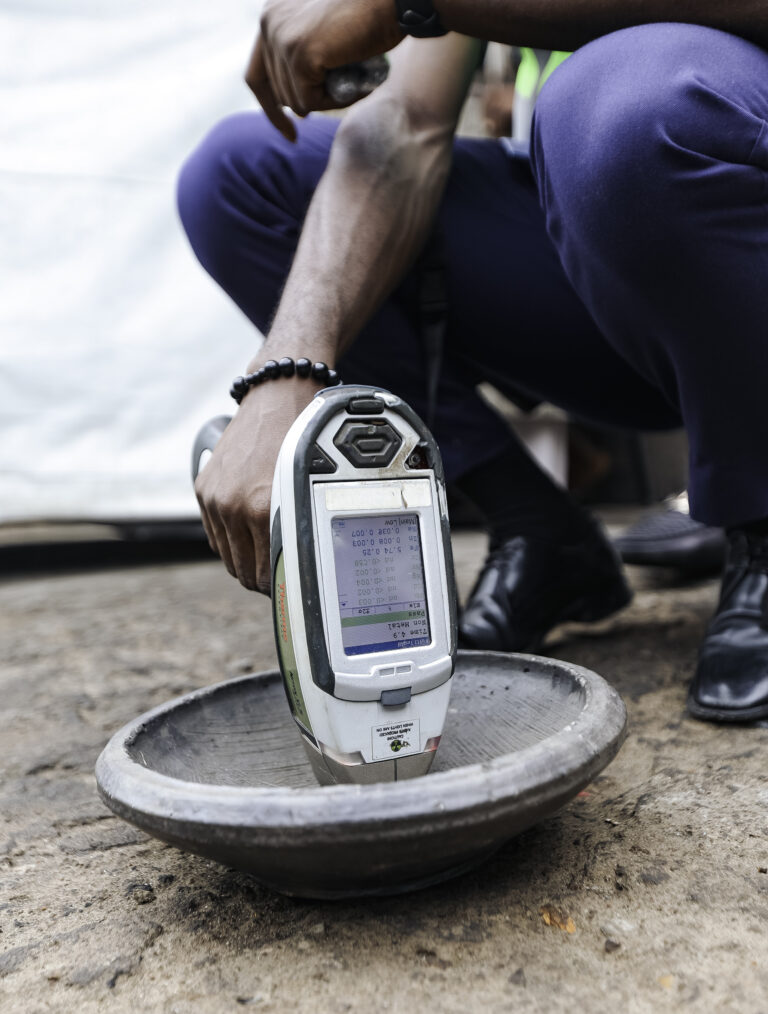
To address the issue, Pure Earth is collaborating with the Ghana Health Service, Environmental Protection Agency, and Ghana Standards Authority to assess the scale of lead exposure linked to cookware across the country. Using specialized tools such as X-ray fluorescence (XRF) analyzers, the organization tests both raw materials and finished products to determine whether lead levels fall within safe limits.
As regulatory frameworks continue to evolve, stakeholders agree that protecting public health requires urgent and sustained action. With coordinated oversight, industry cooperation, and informed consumer choices, the silent threat of lead exposure from cooking pots can be effectively eliminated.
References
UNICEF Ghana
Pure Earth
Source: Vincent Doh