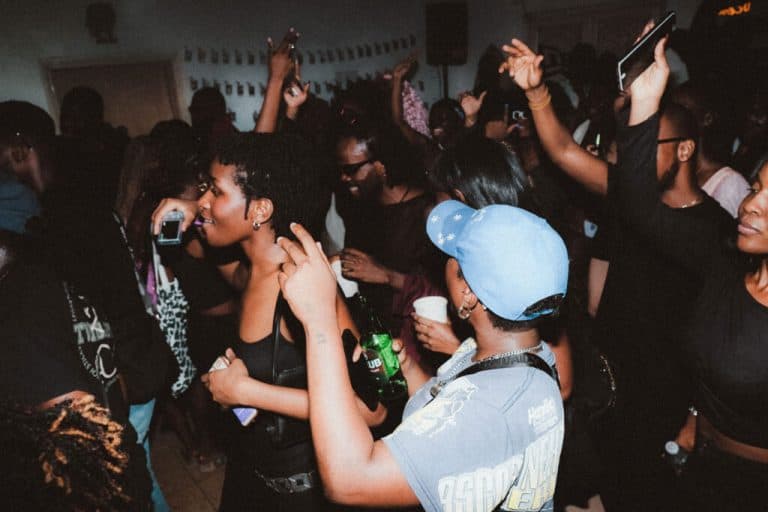
Leaders of the Ghana Education Service (GES) Guidance and Counselling Association Greater Accra Chapter have urged schools and parents to pay closer attention to the emotional and psychological needs of Gen Z students, warning that changing attitudes and social pressures are reshaping how young people respond to guidance.
Speaking on Good Afternoon Ghana on Metro TV, President Kofi Yeboah Dadzie and Vice President Sally Mbia-Coleman said today’s students are more independent, outspoken and selective about who they trust.
The interview, hosted by Desmond Okraku Danso, formed part of activities marking Guidance and Counselling Week in the Greater Accra Region.
Raising concerns about the current generation of students, the host noted that Gen Z learners often have “a set of mindsets about how they want things for themselves and who they want to interact with.”
In response, Mr Dadzie said this makes professional counselling more important than ever.
“It becomes difficult when you are advising them, but counsellors don’t advise,” he said. “You are guiding them. The child will come with his or her problems. So you are helping to navigate those challenges.”
He explained that modern students are less receptive to instructions and more responsive to guidance that allows them to make their own choices.
“Counsellors are professionals who direct children… to reach their self-actualisation,” he said. “But advice, everybody can advise.”
Ms Mbia-Coleman said many Gen Z students, especially girls, are willing to open up when counsellors build trust and respect their privacy.
“As a trained counsellor, your attitude and how you establish rapport with those girls allow them to come to you,” she said. “If you’re a trained counsellor, definitely you must create room for them.”
She noted that while some students are reluctant to visit counselling offices, many still seek support quietly through group sessions.
“We have the individual counselling and the group counselling,” Mr Dadzie added. “Maybe you benefited from the group counselling, which may be unconscious to you.”
The two leaders stressed that counselling structures exist nationwide under the Ghana Education Service, from basic schools to senior high schools, to help students cope with academic pressure, peer influence and identity challenges.
“In the senior high school, we call them the guidance and counselling coordinators,” Ms Mbia-Coleman said. “In the basic school, we call them facilitators.”
According to them, early intervention is key to addressing the challenges facing today’s youth.
“We are coming down… taking it down to the JHS,” Mr Dadzie said. “Because most of the challenges that we see now started from somewhere.”
They also highlighted the influence of social media, peer competition and career pressure on young people, saying these factors often shape students’ behaviour and self-esteem.
As part of the week’s activities, counsellors engaged students through school-based programmes and outreach sessions, while also involving parents in career guidance.
“A lot of parents choose a career that has not suited their children’s intellectual ability,” Ms Mbia-Coleman said.
“Sometimes someone may be a nurse, but that job is not what he wanted to do because he was forced into it.”
She said such pressure can be particularly damaging to Gen Z students, who value personal choice and self-expression.
The week-long celebration, which included talks, seminars and community activities across districts, is expected to climax on Friday at the PRESEC Legon.
Despite their efforts, the leaders admitted that limited funding and poor public understanding continue to affect their work.
“Sometimes when we are doing programmes we need sponsors,” Ms Mbia-Coleman said.
They also criticised the tendency for untrained individuals to assume counselling roles.
“Everybody sees himself as a counsellor,” Mr Dadzie said. “But there’s a professionality in it.”
Ms Mbia-Coleman compared the situation to driving without proper training.
“I cannot just turn up and drive a truck,” she said. “Because I don’t have the licence for that.”
The counsellors called for stronger support from parents, schools and institutions, insisting that professional guidance is essential for helping Gen Z students navigate adolescence, manage pressure and make informed life choices.