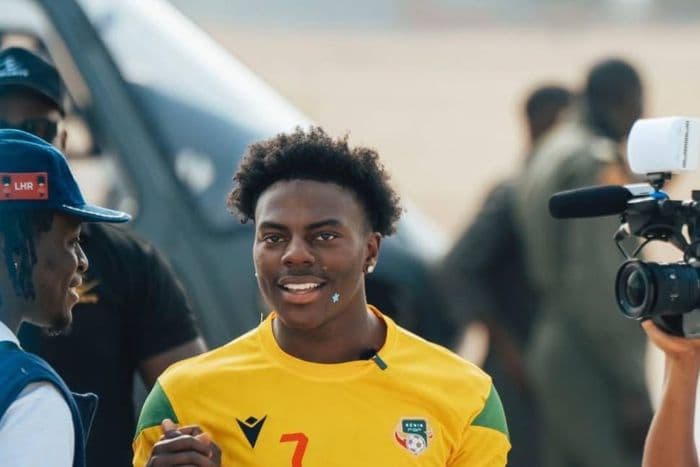
When news broke that global internet sensation IShowSpeed had been issued a Ghanaian passport following his visit to the country as part of his African tour, reactions were swift and divided. Social media timelines lit up with questions: Why him? What has he done? Is Ghana now handing out passports to celebrities?
But beneath the noise lies a deeper, more compelling story – one rooted in ancestry, soft power, and Ghana’s long-standing vision of reconnecting with its global family.
This decision, far from being reckless or sentimental, may in fact be strategic, timely, and consistent with Ghana’s larger diaspora agenda.
At the heart of the matter is lineage. IShowSpeed’s mother is of Ghanaian descent, a fact that places him squarely within the scope of Ghana’s nationality laws, which allow citizenship by descent. Citizenship, after all, is not solely about geography; it is also about bloodlines, identity, and heritage.
For centuries, Africans in the diaspora have been severed – by slavery, colonialism, and migration – from formal ties to their ancestral homes. Ghana has been one of the few African nations bold enough to say: if your roots are here, you belong here. From the “Year of Return” in 2019 to the “Beyond the Return” initiative, the country has repeatedly affirmed that ancestry matters.
Granting a passport to someone with proven Ghanaian roots is not an exception, it is an application of principle.
I have read some people arguing about what value a YouTuber or streamer brings to a nation like Ghana. The answer lies in understanding how influence works in the Gen-Z world and largely the 21st century.
IShowSpeed commands a massive global following, particularly among young people, an audience many countries struggle to reach through traditional diplomacy. His visit to Ghana generated millions of views across platforms, offering organic, unscripted visibility that no tourism campaign could buy. Streets, food, music, humour, and people were showcased not through polished adverts, but through lived experience.
This is modern soft power. Nations today compete not only through economics and military strength, but through cultural relevance and global visibility. By embracing figures like IShowSpeed, Ghana inserts itself into global conversations, authentically and at scale.
Ghana’s campaign to attract diasporans is not limited to academics, investors, or professionals in suits. Culture moves people before policy does. Music, sports, film, and now digital creators are powerful bridges between continents.
IShowSpeed’s passport is symbolic. It sends a message to millions of young Africans in the diaspora: Ghana sees you. Ghana welcomes you. Ghana claims you. Symbolism matters in nation-building. One high-profile reconnection can inspire thousands of quieter ones.
Let me add that it is important to separate emotion from law. A Ghanaian passport is not a medal, nor does it diminish the citizenship of others. It does not erase the struggles of ordinary Ghanaians or shortcut anyone’s rights. It simply formalises a legal and ancestral connection.
If anything, the controversy reveals an uncomfortable truth: Ghana is still learning to value influence beyond traditional markers of prestige. Yet history shows that cultural ambassadors often shape national images more powerfully than diplomats ever could.
The real question should not be “Why IShowSpeed?” but rather “Why not someone with roots, reach, and resonance?”
Ghana’s strength has always been its openness, its willingness to look outward while staying grounded in identity.