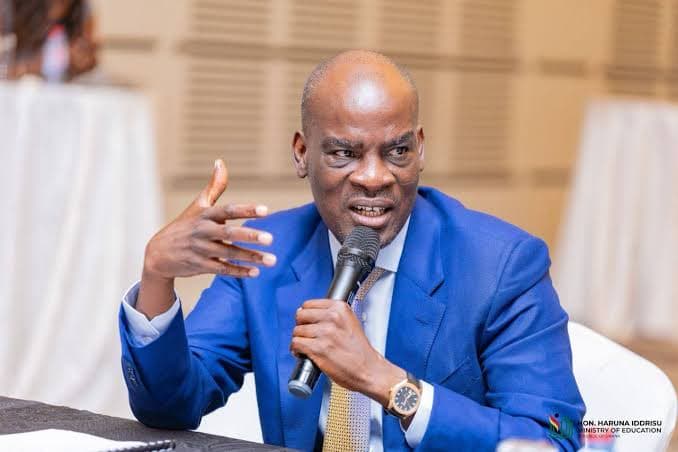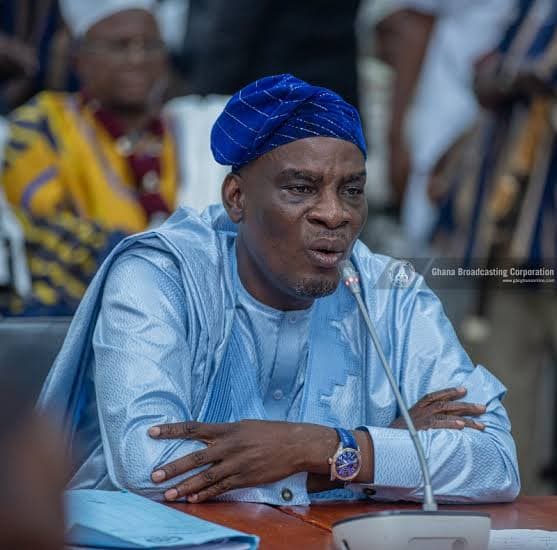
At first glance, the inauguration of the Governing Board of the Ghana Scholarships Authority looks like a routine government exercise. The Education Minister, Haruna Iddrisu, spoke about fairness, transparency and ending nepotism in scholarship awards. On paper, it sounded like a fresh start for a system many Ghanaians believe has long been abused.
But for the National Union of Ghana Students (NUGS), something important was missing.
No seat for students
NUGS’ anger is not about the idea of reform itself. It is about who is missing at the table. According to the students’ body, the newly inaugurated Board has no student representative at all.
For NUGS, this is not a small oversight. Scholarships exist mainly for students, especially those from poor and vulnerable backgrounds. So when decisions about who qualifies, who gets paid, how complaints are handled and how funds are monitored are made without students present, NUGS believes the system loses credibility.
In simple terms, students feel decisions are being taken about them, without them.
Why students say this matters
NUGS argues that students are not just beneficiaries; they are the reason the Scholarship Authority exists. The policies the Board will approve can determine whether a student stays in school or drops out, whether fees are paid on time, or whether complaints are ignored.
Without student input, NUGS fears the Board may become disconnected from the real struggles students face – delays in disbursement, unclear criteria, hardship, and lack of accountability.
They also point out that student representation in education-related boards has become normal practice over the years. Excluding students from such a powerful body, they say, breaks with democratic tradition and past assurances.
A question of legitimacy and trust
Beyond procedure, NUGS frames the issue as a moral one. A scholarship system, they argue, deals with access to opportunity and social mobility. Governing it without student voices risks weakening public trust and the relationship between the state and the youth.
This is why the union says the problem is bigger than one board appointment. To them, it is about fairness, participation and respect for students as stakeholders.
What NUGS wants
NUGS has made four clear demands:
- The current Board composition should be rejected because it excludes students.
- Government and the Scholarship Authority should urgently engage NUGS.
- The Board should be reconstituted to include a student representative nominated by NUGS.
- The Scholarship Authority Act should be amended to make student representation mandatory.
While the union says it prefers dialogue, it has also made it clear that it is prepared to use all lawful means to press its case if necessary.
The bigger picture
At its core, the standoff is about inclusion. The Education Ministry is pushing a reform agenda focused on efficiency and transparency. NUGS is insisting that no reform can succeed if the main beneficiaries are left out of decision-making.
How government responds may determine the future of the Scholarship Authority, but also how much trust students place in education reforms going forward.