
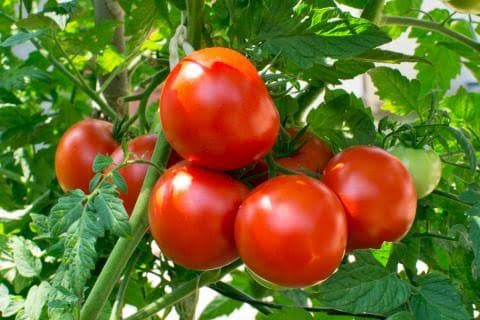
Rising tomato prices in Ghana have been linked to security issues along the Ghana-Burkina Faso border and challenges in moving produce from farms to markets, according to farmers.
Speaking on Metro TV’s Good Afternoon Ghana, Wepia Awal Adugwala, President of the Peanut Farmers Association of Ghana, said traders have long relied on crossing into Burkina Faso to buy tomatoes, but rising insecurity has made this risky.
“For us as farmers in Ghana, we produce and then women and other traders come to buy the tomatoes. But as for Ghanaian traders moving to Burkina Faso to buy tomatoes, it has been there for a very long time,” he said.
He added that the inability of traders to bring tomatoes across the border has pushed prices higher.
“Once they are not able to go across to the border because of the security issues, it obviously shoots up the price of tomatoes within the country,” he explained.
Mr Adugwala said poor infrastructure compounds the problem.
“We even have tomatoes in certain rural areas getting rotten on farms. The issue is that we are not able to transport the tomatoes to the market centres or we are not able to get the tomatoes to the consumers,” he said.
He emphasized the need for better roads and transport networks connecting farming communities to major markets to ensure produce reaches consumers efficiently.
According to him, the solution to price spikes goes beyond border trade and short-term fixes. He highlighted the need for government investment in irrigation and research.
“We can cultivate enough tomatoes in this country, provided there is proper policy direction, irrigation, and research support,” he said.
“Ghana has the soil, the climate, and the farmers. What we need is infrastructure and policy to ensure produce reaches the market and prices stabilize.”
Mr Adugwala also pointed to the proposed Pwalugu Multipurpose Dam as key to regulating water for irrigation, which would allow farmers to increase production and reduce reliance on cross-border imports.
He emphasized that with government support, Ghana could not only feed its population but also become a net exporter of vegetables in the sub-region.



