
Buying a product is often the easiest part of the customer journey. Whether it is a smartphone, television, refrigerator, car or laptop, the excitement of taking home something new can quickly disappear if it develops a fault. That is when warranty and after-sales service become more than marketing promises. They become the difference between a frustrating experience and one that gives customers confidence in their purchase.
Many consumers focus almost entirely on price before making a buying decision. While affordability is important, what happens after the purchase can have an even greater impact on the overall value of a product. A cheaper item with poor support may end up costing more in repairs, replacements or lost time than a slightly more expensive product backed by reliable customer care.
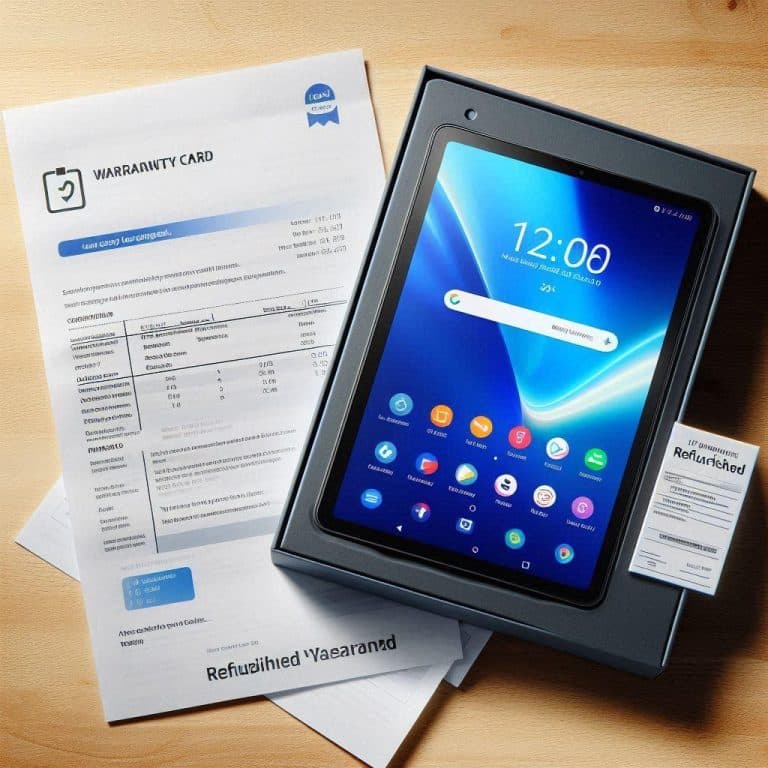
A warranty is essentially a manufacturer’s or seller’s promise that a product will perform as expected for a specified period. If something goes wrong because of a manufacturing defect during that time, the company agrees to repair, replace or, in some cases, refund the product. It is a form of assurance that protects consumers from paying for faults they did not cause.
Not every problem, however, falls under a warranty. Damage caused by accidents, misuse, unauthorised repairs or normal wear and tear is usually excluded. This is why customers should always read the warranty terms instead of assuming every fault will be covered. Knowing what is included can prevent misunderstandings later.
After-sales service goes beyond the warranty itself. It covers the support a customer receives once a purchase has been completed. This may include product installation, technical assistance, software updates, maintenance, repairs, spare parts and customer support through phone calls, emails or service centres.
Good after-sales service can often solve small issues before they become major problems. A customer who receives quick guidance on how to use a product correctly may never need a repair in the first place. When repairs are necessary, access to trained technicians and genuine replacement parts helps restore confidence in the product.
Businesses also benefit from investing in quality after-sales support. Customers are more likely to return to brands that stand behind what they sell. They are also more willing to recommend those brands to friends and family. In a competitive market where many products offer similar features, dependable customer support can become a company’s strongest advantage.
Poor after-sales service has the opposite effect. Delayed responses, unavailable spare parts and long repair periods leave customers feeling abandoned. Even a high-quality product can earn a poor reputation if buyers struggle to get help when they need it.
Technology has also changed how companies deliver after-sales support. Many businesses now provide online troubleshooting guides, live chat, mobile applications and virtual assistance that allow customers to resolve issues without visiting a service centre. These options save time and make support more accessible, especially for people living far from major cities.
Consumers also have a role to play. Keeping receipts, registering products where required and following the manufacturer’s instructions can make warranty claims much smoother. Using authorised service centres is equally important because unauthorised repairs may void the warranty.
Before making a purchase, buyers should ask practical questions. How long does the warranty last? Are repairs carried out locally? How easy is it to obtain spare parts? What is the average turnaround time for repairs? The answers can reveal as much about a product as its technical specifications.
A product’s value should not be measured only by how well it performs on the day it is bought. The real test comes when something goes wrong and the company responds. A strong warranty and dependable after-sales service show that a business is prepared to stand behind its products long after the payment has been made.
In the end, peace of mind is part of what customers are paying for. When companies honour their warranties and provide reliable support, they build trust that lasts far beyond a single sale. That trust often becomes the reason customers return, even when cheaper alternatives are available.



