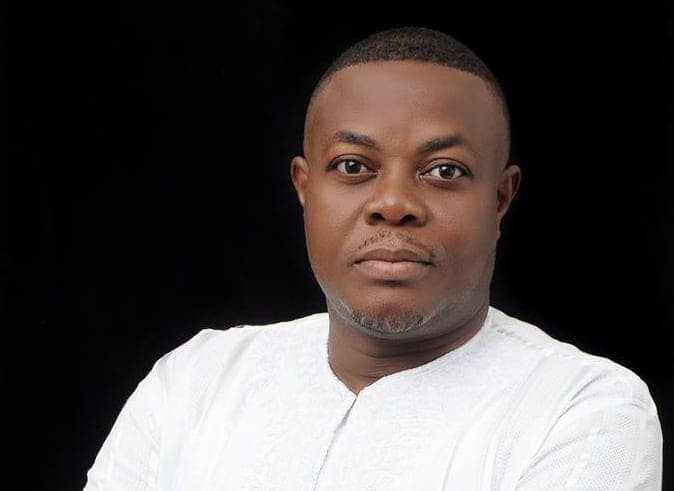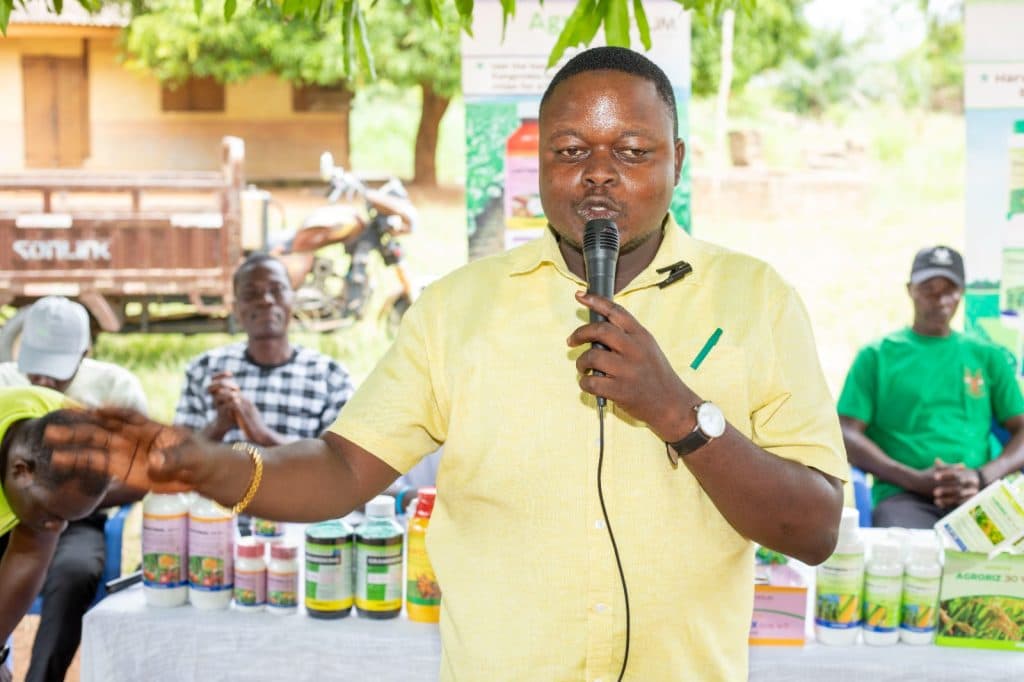
Hon. Japhet Festus Gbede, Assemblymember for the Wuxor Have and Sremanu Electoral Area and a member of the Volta Regional Communication Team of the NDC, has defended Ghana’s delegate system, arguing that expanding internal party elections to all card bearing members will not eliminate the influence of money in politics.
In a statement shared on his Facebook page, Mr Gbede questioned growing legal arguments seeking to portray the delegate system as entirely undemocratic.
He said although such arguments may appear convincing in theory, they fail to reflect the realities of political organisation and electoral competition in Ghana.
According to him, political contests are influenced by popularity, organisation, influence and financial strength, regardless of the electoral structure used.
“Those with greater financial strength will still dominate the process. The only difference is that the cost of internal elections will become far more expensive and difficult for political parties to manage,” he said.
Mr Gbede also raised concerns about the financial implications of expanding internal elections, questioning whether the state and the Electoral Commission would have the capacity to manage nationwide primaries at different levels.
He asked whether the commission would be able to print thousands of ballot papers and deploy officials across the country for constituency, regional, national and presidential internal elections.
The NDC communicator further warned that opening internal elections to all party members could create opportunities for infiltration by individuals holding multiple party cards in an attempt to influence outcomes.
While acknowledging that no democratic system is perfect, he said any reforms to Ghana’s political processes must be based on practicality, consultation, political maturity and the national interest.
Mr Gbede also called on the Attorney General to prioritise corruption related investigations and the recovery of alleged stolen state resources.
He said many Ghanaians voted for the current government with expectations of accountability and justice.
“This is what many Ghanaians expected the Attorney General to focus on, not legal positions that could potentially create confusion and financial pressure within political parties,” he stated.