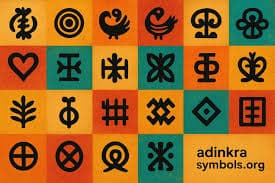
The National Folklore Board has cautioned individuals and organisations against using Ghanaian cultural expressions without proper authorisation, stressing that such actions violate provisions of the Copyright Act, 2005 (Act 690).
In a press statement, the Board clarified that the use of Ghanaian folklore, including kente, adinkra symbols, traditional dances, music, and indigenous narratives, in films, live streams, and digital platforms requires prior approval and the payment of royalties.
The Board noted that it has observed a growing trend where cultural materials are being used on platforms such as YouTube, Facebook, and TikTok without due process.
It emphasised that “under the Copyright Act, 2005 (Act 690), folklore of Ghana is vested in the President and administered by the Board,” adding that these cultural expressions are held “for and on behalf of the people.”
According to the Board, “without prior authority and the payment of the appropriate royalties, no person has the right to put the folklore of Ghana to any commercial or business use, irrespective of the mode or medium of dissemination.”
The Board further clarified that content creators cannot bypass the law simply because their work is shared online or not directly monetised.
“It is important to note that operating through digital platforms, including social media and streaming services, does not exempt any person or entity from prior authorisation,” the statement said.
It also pointed out that even non-profit or professionally produced content remains subject to regulation, stressing that “content produced in a professional capacity or intended for distribution remains subject to regulation, even where no direct profit is gained.”
Additionally, the statement addressed misconceptions about informal engagements with the Board, noting that “prior registration with the National Folklore Board or informal engagement does not substitute for obtaining a license or fulfilling royalty obligations.”
On enforcement, the Board explained that issuing invoices for the use of folklore is not punitive but administrative.
“The issuance of an invoice… constitutes a standard administrative procedure under the law, not a punishment measure,” it stated.
The Board urged all stakeholders to regularise their activities by obtaining the necessary approvals before using any elements of Ghana’s cultural heritage.
It outlined key requirements, including formalising operations with the Board, securing prior authorisation, paying prescribed royalties or arranging payment plans, and completing endorsement processes where applicable.