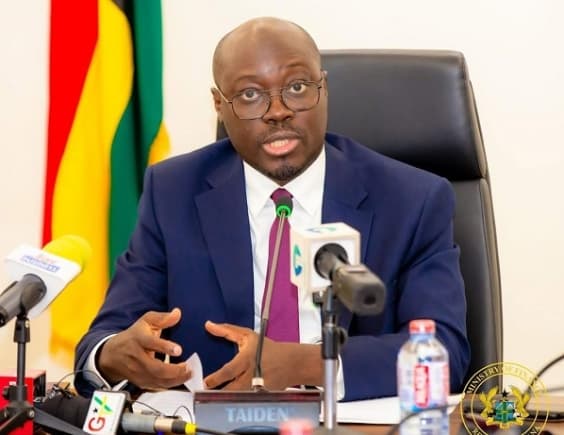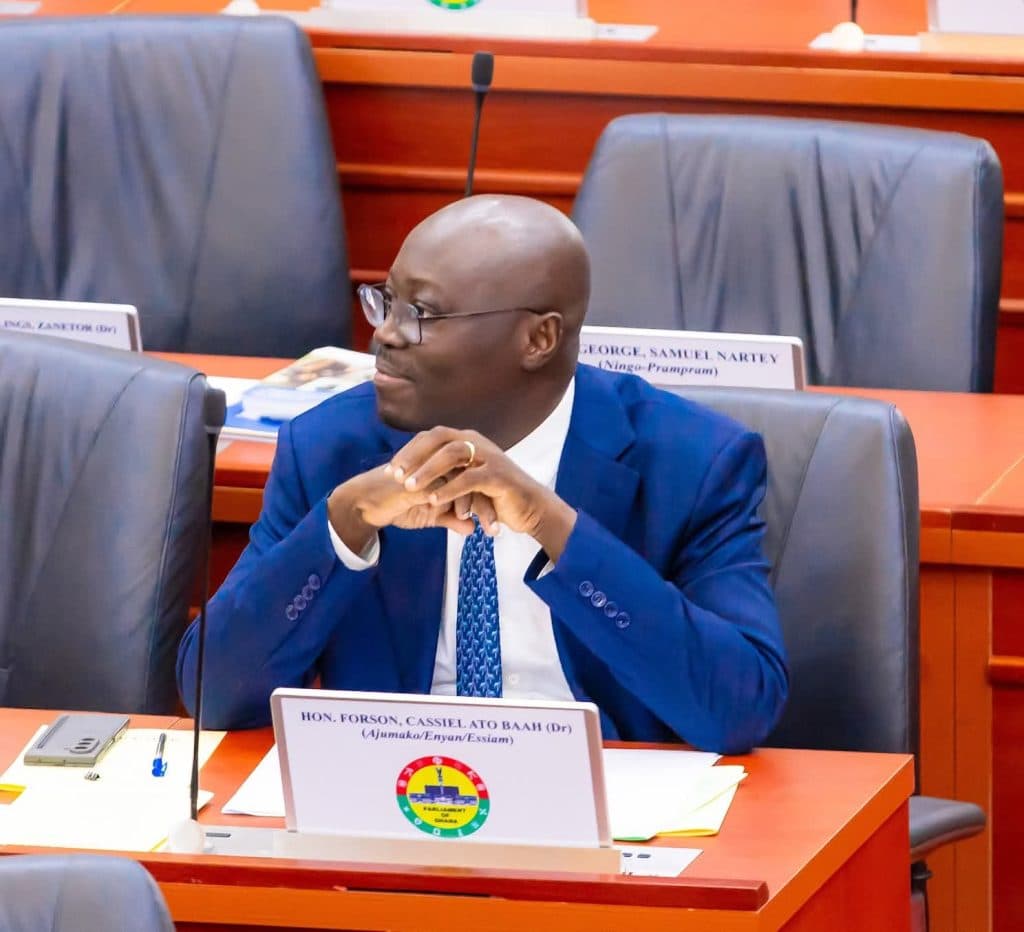
Finance Minister Dr Cassiel Ato Forson says Ghana has achieved its debt sustainability target years ahead of schedule under the IMF programme, paving the way for the country to move away from financial bailouts.
Presenting a statement to Parliament on Ghana’s new engagement with the International Monetary Fund, Ato Forson said Ghana’s public debt-to-GDP ratio had dropped significantly from 61.8% in 2024 to 44.7% by the end of 2025.
According to him, the country had already met the IMF programme target of reducing debt-to-GDP to 45%, nearly a decade earlier than the timeline set under Ghana’s fiscal rules.
“Ghana achieved the debt-to-GDP target of 45% well ahead of the IMF programme and the PFM debt rule target of 2034,” he stated.
He said Ghana’s debt service burden had also eased considerably.
“Debt service-to-domestic revenue ratio declined from 55.7% in 2022 to 28.8% in 2025, even with the resumption of full Eurobond obligations in 2025,” he told Parliament.
Ato Forson said Ghana’s improving debt outlook had helped move the country from a high risk of debt distress to a moderate risk under the latest Debt Sustainability Analysis.
The Finance Minister linked the turnaround to a series of fiscal reforms introduced by the Mahama administration after taking office.
Among the measures he listed were tighter expenditure controls, amendments to the Public Financial Management Act, the establishment of an Independent Fiscal Council, operationalisation of a Sinking Fund, and reductions in the size of government.
“We amended the PFM Act to institutionalize a 1.5% of GDP primary surplus and 45% debt-to-GDP by 2034,” he said.
He also announced that Ghana had concluded the final review of its current IMF Extended Credit Facility programme and would transition to a non-financing Policy Coordination Instrument with the Fund.
The new arrangement, he explained, would allow Ghana to continue benefiting from IMF policy reviews and technical support without seeking another bailout package.
“No further IMF financial bailout will be required in the foreseeable future,” Dr Forson declared.
The Finance Minister noted that Ghana’s economy had also recorded broader improvements, including a primary budget surplus of 2.5% of GDP in 2025, inflation declining to 3.4% in April 2026, and lower interest rates on Treasury bills and bonds.
He argued that the gains showed the importance of fiscal discipline.
“Fiscal prudence and discipline always deliver results,” he said.