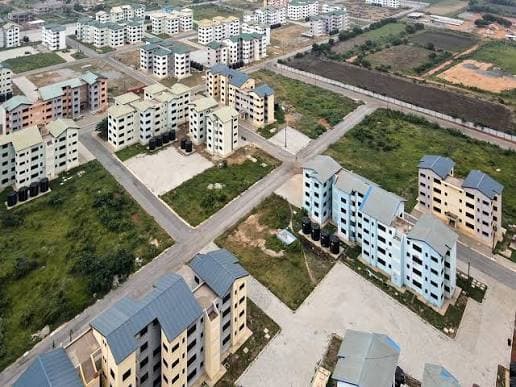
Housing, water and energy emerged as the biggest contributor to Ghana’s inflation in August 2026, accounting for 29.4% of the overall inflation rate.
In its latest report, the Ghana Statistical Service said inflation in the division rose sharply from 8.3% in July to 11.6% in August, representing a 3.3 percentage-point increase.
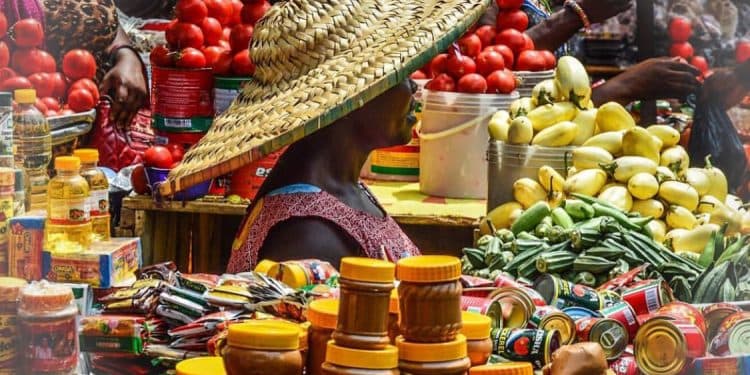
The figure puts housing, water and energy ahead of food and beverages, which contributed 29.1% to total inflation during the month.
Transport was the third-largest contributor, accounting for 13.2%, while education services contributed 7.4%. Restaurants and hotels accounted for 4.8%.
The latest data show that although Ghana’s headline inflation remained relatively low at 5.0%, households continued to face significant price pressures in some essential areas of expenditure.
Services inflation stood at 8.6% in August, more than twice the 3.8% recorded for goods.
The Ghana Statistical Service identified services as the most persistent area of price pressure and a major hurdle to further reductions in inflation.
Within the other divisions, insurance and finance recorded the highest inflation rate at 10.6%, up from 9.7% in July.
Education services recorded 9.3%, while transport rose slightly from 7.5% to 7.6%.
By contrast, several divisions recorded lower inflation in August. Alcohol and tobacco fell from 3.7% to 3.0%, while health dropped from 1.9% to 1.4%. Furnishings and household equipment also declined from 2.4% to 2.1%.
Communication was the only division to record deflation, with its inflation rate falling to -0.1% in August.
The GSS says the August figures show that inflationary pressure is increasingly concentrated in non-food items, which accounted for 70.9% of total inflation, compared with 29.1% for food.