Ghana’s inflation rate rose again in May 2026, marking the second consecutive monthly increase as food prices continued to exert upward pressure on the cost of living.
Data released by the Ghana Statistical Service (GSS) showed that headline inflation increased to 3.7% in May from 3.4% in April, representing a 0.3 percentage-point rise.
The latest figure points to a gradual pickup in price growth after several months of declining inflation, although it remains well below the 18.4% recorded in the same period last year.
On a monthly basis, inflation climbed by 1.1% in May, slightly higher than the 1.0% recorded in April, indicating a steady increase in prices across various sectors of the economy.
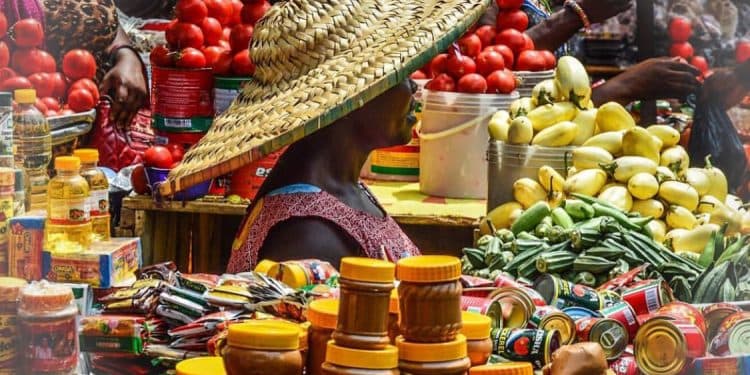
Food inflation was the primary factor behind the rise. The Food and Non-Alcoholic Beverages category recorded an annual inflation rate of 3.3%, up from 2.2% a month earlier. Month-on-month food inflation also accelerated to 2.0%, compared to 0.8% in April.
Meanwhile, non-food inflation moderated slightly to 4.1% from 4.2%, suggesting that inflationary pressures outside the food sector remained largely stable.
Locally produced goods continued to dominate inflationary trends, posting an annual inflation rate of 5.0%, up from 4.7% in April. These items accounted for more than 92% of total inflation. Imported goods, by comparison, recorded a much lower inflation rate of 0.9%.
The data further showed that services remained the most inflationary component of the economy, recording a rate of 9.9%, while goods registered inflation of 1.4%.
Across the regions, the North East Region posted the highest inflation rate at 10.1%, whereas the Savannah Region recorded deflation of 3.0%.
Although inflation has increased over the past two months, it remains significantly lower than a year ago, reflecting broader gains in macroeconomic stability.
However, the recent rise in food prices is likely to remain a key area of concern for policymakers and consumers alike.