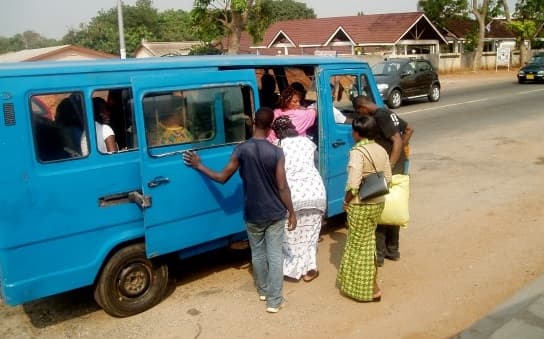
Transport costs emerged as one of the biggest sources of inflationary pressure in June 2026, with rising bus and trotro fares pushing the transport division to become the second-largest contributor to Ghana’s overall inflation.
According to the latest Consumer Price Index (CPI) report released by the Ghana Statistical Service, transport inflation surged from -2.8% in May to 9.1% in June, representing an increase of 11.9 percentage points year-on-year.
The sector contributed 17.9% to headline inflation, making it the second-highest contributor after food and non-alcoholic beverages.
The Statistical Service described transport as the “biggest mover” in June, noting that it had become the “2nd driver” of inflation after recording the sharp jump in annual price growth.
The report further showed that bus and trotro fares were the single largest contributors to inflation in June, accounting for 10.5% of the overall inflation rate.
Other major contributors included payment for rents (8.4%), secondary school fees (7.2%), ginger (7.0%), river fish (6.6%), and cooked rice (5.3%).
Despite the sharp increase in transport costs, Ghana’s overall year-on-year inflation rose moderately to 5.3% in June from 3.7% in May, while month-on-month inflation slowed significantly to 0.2%, suggesting that the pace of price increases eased compared to the previous month.
The report noted that food and non-alcoholic beverages remained the largest contributor to headline inflation at 31.5%, although non-food items accounted for the bigger share of overall inflation at 68.5%.
Summarising the June inflation outlook, the Statistical Service said the latest figures indicate that “Disinflation remains intact, but June requires attention to non-food, services, and local supply dynamics.”