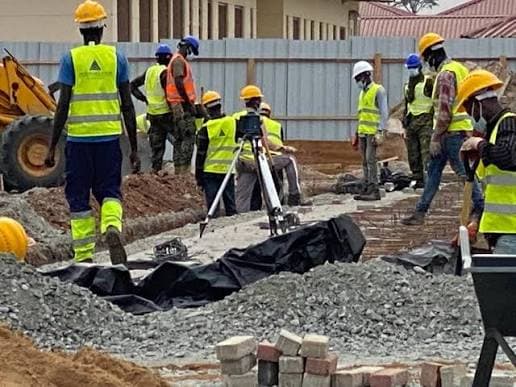
The World Bank has approved a sum of $500 million in financing for the Ghana Market Access and Connectivity Project (GMACP), a major initiative to improve rural road connectivity, strengthen agricultural value chains, expand economic opportunities, and create short-term direct jobs for rural communities across the country.
For decades, Ghanaian roads have undergone strained conditions with rural routes denied of being properly constructed while urban routes suffer denial of adequate maintenance culture.
Decapitated roads have caused severe constrain on rural livelihoods in Ghana through market inaccessibility, excessive surge in transport costs leading to significant post-harvest losses.
The introduction and approval of this initiave would directly address these challenges by rehabilitating and maintaining critical feeder roads in key regions while improving all-season connectivity between rural production areas and markets.
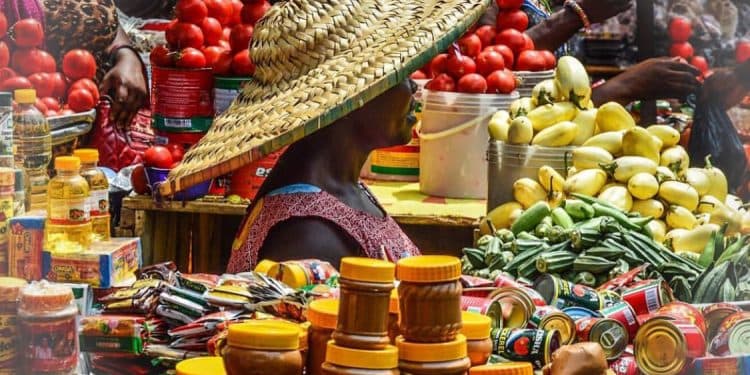
Farmers can easily and efficiently reach out to market women which would assist in transiting agricultural production into higher-value activity while unlocking local job and income opportunities along agricultural value chains.
“This project will improve access to markets and opportunities for rural communities while strengthening Ghana’s agricultural competitiveness and resilience,” said Robert Taliercio, World Bank Division Director for Ghana, Liberia, and Sierra Leone, while emphasizing the direct benefit for more than 550,000 people — including approximately 350,000 farmers, 250,000 women, and 310,000 youth.
“It is also expected to generate more than 5,000 direct jobs and over 25,000 indirect jobs through civil works and road maintenance activities.” he added.
The implementation would be carried out by the Ministry of Roads and Highways, as the GMACP project support the rehabilitation and maintenance of more than 1,000 kilometers of rural roads across four clusters spanning the Upper West, Northern, Savannah, Oti, Volta, Eastern, Ashanti, Bono, and Western regions.
These areas are major producers of priority crops — maize, rice, yam, and cassava.
These crops are central to Ghana’s food security, however remain constrained by poor market connectivity.
Factors on climate-resilient have also been incorporated in the design to ensure roads and drainage systems withstand climate risks over the long term.
Sustainability being central in the project, operationalizing Road Maintenance Trust Fund (RMTF) and introducing Performance-Based Contracts for road maintenance to provide technical assistance to where needed.
This will strengthen institutional capacity and ensure that rehabilitated roads remain functional beyond project completion.
By Martha Seyram Jackson || Metro Digital